
Metal structures for industrial buildings: key considerations before manufacturing
Building use, loads, materials, processes and coordination: what is worth defining before the first section is produced.
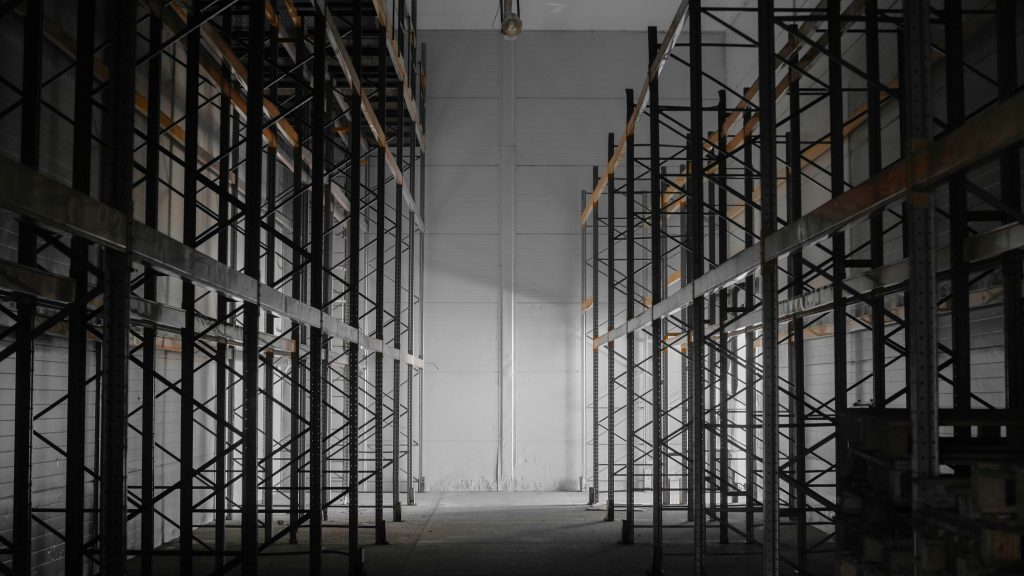
Metal structures for industrial buildings are a widely used solution on construction projects intended for production, storage, logistics or the installation of machinery. Their strength, versatility and ability to adapt to different dimensions make it possible to develop functional buildings matched to the needs of each activity.
Manufacturing an industrial metal structure, however, is not simply a matter of setting overall dimensions and starting to produce sections and components.
Before manufacturing, it is necessary to consider the intended use of the building, the loads it will have to carry, the materials chosen, the environment it will stand in and how the structure fits with the rest of the project.
Proper planning makes manufacturing, erection and the subsequent running of the premises easier.
At Ikalder we manufacture bespoke metal structures for industrial projects, working with sheet metal, tubing, flat bar and sections in a range of materials. Our workshop brings together cutting, folding, bending, welding and surface treatment processes.
What is a metal structure for an industrial building?
The metal structure is the set of load-bearing elements that carry and transmit the main loads of a building.
It may be made up of columns, beams, sections, supports, stiffeners, connection plates and other components designed specifically for each project.
Its job is to give the whole stability and to support other elements such as roofing, cladding, services or industrial equipment.
The geometry and characteristics of each structure depend directly on the intended use of the building.
Defining the use of the building before manufacturing
One of the first steps before designing and manufacturing a metal structure is to establish clearly what activity will take place inside.
A building used purely for storage will not have the same needs as premises intended for industrial production.
Machinery and equipment
Where a building is to house industrial machinery, it is important to know its weight, dimensions and position in advance.
It may also be necessary to allow for specific supports, platforms, walkways, ancillary structures or reinforced areas.
Allowing for these needs from the outset helps the structure to be manufactured to suit the project properly.
Internal layout
The structure must also work with the planned internal organisation.
It is important to allow for production and storage areas, vehicle movement, loading and unloading bays, plant rooms and space for maintenance.
Good planning can help make better use of the floor area available.
Possible extensions
On some projects it is also worth considering future extensions.
Allowing for this at the early stage can make later alterations or the addition of new structural elements easier.
Why load calculation matters
Every metal structure must be designed with the loads and forces it will be subject to over its service life in mind.
As well as the self-weight of the structural elements, other factors relating to the building and its activity must be taken into account.
These may include the roof, the cladding, industrial equipment, services, walkways and other elements fixed to the structure.
External actions relevant to the project and its location must also be allowed for.
Manufacturing must therefore follow the technical documentation and the calculations established for each structure.
Which materials are used in industrial metal structures?
The choice of material affects strength, weight, maintenance and how the structure behaves in its environment.
Carbon steel
Carbon steel is one of the most widely used materials in industrial metal structures.
It offers good mechanical properties and considerable versatility for manufacturing beams, frames, supports and other structural elements.
Surface treatments can also be applied to provide the protection each project requires.
Inox
Al
Aluminium
Aluminium offers a good strength-to-weight ratio and performs well in certain ambient conditions.
It can be used on structures or components where reducing weight is an important factor.
Ikalder works with the following materials according to the requirements of each job:
Bespoke metal structure manufacturing
One of the main advantages of metal structures is how readily they adapt to specific projects.
Bespoke manufacturing means components can be produced to specific drawings and dimensions, with whatever elements each installation calls for.
Depending on the project, we can manufacture:
Frames
Supports
Platforms
Staircases
Canopies
Enclosures
Railings and gates
Ancillary structures for machinery
Supports for industrial services
Ikalder manufactures this type of bespoke metal structure as part of its range of industrial products.
Processes used to manufacture a metal structure
Manufacturing a structure means combining a number of operations to arrive at the finished components.
Cutting the material
The first step is usually to prepare the sheets, tubes, sections or flat bars to the dimensions set out in the drawings.
Depending on the material and the characteristics of the parts, different cutting technologies may be used.
Ikalder has guillotine shearing, high-precision plasma, sawing and punching processes.
Folding and forming
Some components have to be folded, rolled or bent before they become part of the assembly.
These processes transform flat parts or sections to obtain the geometry set out in the project.
Welding
Welding is one of the key stages in manufacturing many metal structures.
The right process will depend on the type of material, the thickness, the geometry of the parts and the characteristics of the joint.
Ikalder works with robotic, laser, MMA/SMAW, MIG/MAG/FCAW, TIG and spot welding, selecting the procedure to suit each job.
Surface treatments
Once the structure has been manufactured, various finishes can be applied to achieve particular aesthetic or protective characteristics.
The options available include polishing, satin finishing, matt finishing, priming and painting.
Coordination between design and manufacturing
Good communication between engineering, manufacturing and erection is especially important on projects of this kind.
The drawings must clearly define the dimensions, materials, joint positions, holes, anchors and any other details needed to manufacture the components.
This reduces later alterations and helps the various parts fit correctly during erection.
What is more, when one company brings together several manufacturing processes, the different operations can be coordinated more closely.
At Ikalder we have five main processes under one roof:
Safety and precision during manufacturing
The quality of a metal structure depends as much on its design as on how precisely its various components are manufactured.
Dimensions, geometries and joint positions must be respected so that erection goes smoothly later on.
Working to controlled manufacturing and welding procedures is equally essential.
Ikalder holds the following certifications:
ISO 9001
For its quality management system.
ISO 3834
Covering quality requirements for welding processes.
Maintenance of metal structures
Although metal structures are designed to be highly durable, periodic inspections are advisable.
Maintenance may include inspecting joints, welds, anchors and surface coatings, as well as spotting any areas of corrosion or deterioration.
How often maintenance is needed, and of what kind, will depend on the material used, the ambient conditions and how the premises are used.
Planning these checks helps keep the structure in good condition throughout its service life.
The advantages of metal structures on industrial projects
Using metal structures brings a number of advantages to industrial buildings.
Chief among them are how readily they adapt to different designs, the option of prefabricating components in the workshop and the ease of developing fully bespoke solutions.
They also allow ancillary structures, supports and other components for machinery or services to be built in.
These qualities make metal structures a common solution in sectors such as construction, automotive, food, shipbuilding, aeronautics and general industry.
Manufacturing industrial metal structures at Ikalder
Every industrial building is different, so its needs have to be assessed individually.
At Ikalder we manufacture bespoke metal structures for companies and industrial projects, working with a range of materials, sections, sheets and tubing.
Our ability to bring together technical consultancy, cutting, forming, welding and surface treatments lets us handle several stages of the manufacturing process under one roof.
We manufacture frames, supports, enclosures, conveyor belts, canopies, staircases, railings, gates and other metal assemblies to suit the characteristics of each project.
Does your company need a metal structure or industrial assembly manufactured?
Send us the drawings, materials, dimensions and quantities required and we will assess the project and define the right manufacturing process.